














The Ultimate Guide to Kitchen Tiles: Transform Your Space with Style
Table Of Contents:
-
Introduction
→ -
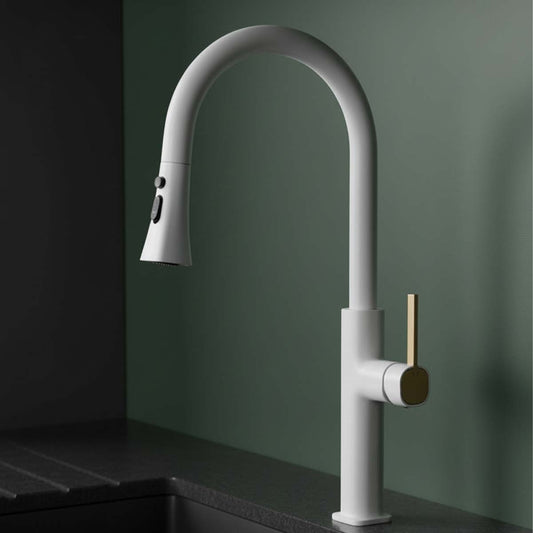
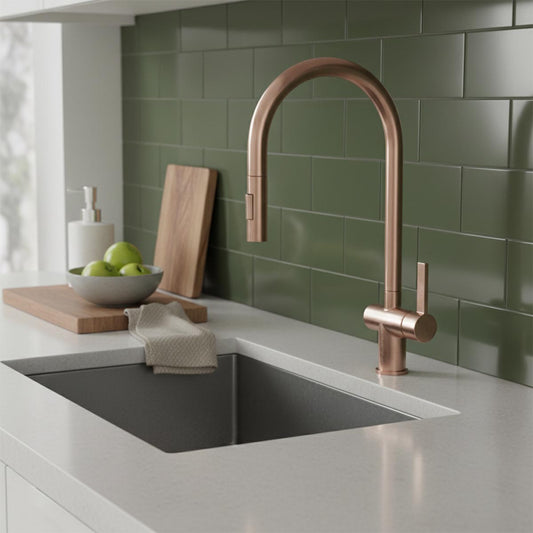
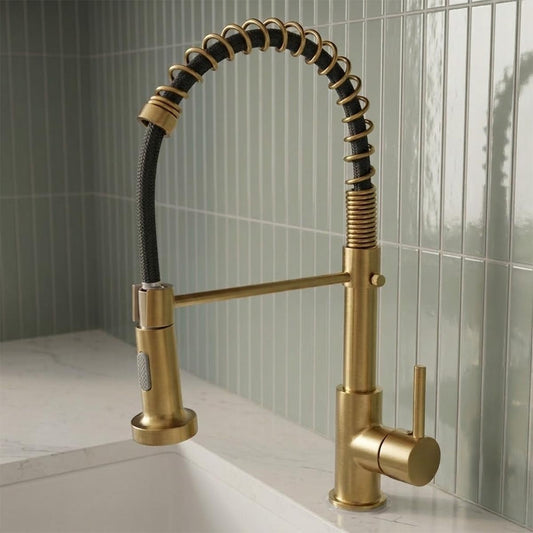
Kitchen Taps Collection
→ -
Why Kitchen Tiles Matter
→ -
Popular Kitchen Tile Materials
→ -
Trending Kitchen Tile Designs
→ -
Tile Placement and Layout Ideas
→ -
Kitchen Floor Tiles: Durability Meets Style
→ -
Creating a Seamless Look: Matching Wall and Floor Tiles
→ -
Caring for Your Kitchen Tiles
→ -
Kitchen Tiles Cost in the UK
→ -
Why Tiles Are Essential in Your Kitchen?
→ -
Choosing the Right Size for Kitchen Tiles
→ -
Maintenance of Kitchen Tiles
→ -
Conclusion
→ -
FAQs
→
Introduction
Kitchen tiles are an essential element in any kitchen renovation or design. They not only serve a functional purpose—protecting walls and floors from water damage, stains, and wear—but also add to the overall aesthetic of the space. With a wide range of materials, styles, and colours available, choosing the right kitchen tiles can be overwhelming. However, by understanding the latest trends and considering your kitchen's specific needs, you can make an informed decision. This guide will walk you through the best kitchen tile ideas, trends, and tips to help elevate your space.


1. Why Kitchen Tiles Matter
Tiles are a crucial part of your kitchen design due to their durability, ease of maintenance, and versatility. Whether on walls or floors, tiles are resistant to water, heat, and stains, making them ideal for a high-traffic area like the kitchen. They also come in a variety of designs, from modern minimalism to classic patterns, allowing you to create a personalized look that complements your kitchen's style.
2. Popular Kitchen Tile Materials
When it comes to choosing kitchen tiles, the material is just as important as the aesthetic. Each material offers unique benefits, so it’s essential to consider functionality and style:
-
Ceramic and Porcelain Tiles: Ceramic and porcelain tiles are the most common options for kitchen floors and backsplashes. They are easy to clean, come in various designs, and are highly durable. Porcelain tiles are denser and less porous than ceramic tiles, making them a great choice for high-moisture areas.
-
Natural Stone Tiles: Materials like marble, granite, limestone, and travertine add a luxurious touch to your kitchen. Natural stone tiles are perfect for creating an elegant, timeless look. However, they require more maintenance compared to ceramic or porcelain as they are more prone to staining and require sealing.
-
Glass Tiles: Glass tiles are known for their modern, sleek appearance. They reflect light beautifully, making a kitchen feel brighter and more open. They are commonly used for backsplashes and accent walls, adding colour and texture to the space.
-
Cement and Concrete Tiles: For a more industrial or contemporary look, cement and concrete tiles are popular. These tiles come in various colours and patterns, offering an edgy, stylish aesthetic while being durable and low-maintenance.

3. Trending Kitchen Tile Designs
Incorporating trendy tile designs into your kitchen can instantly transform the space. From bold patterns to unique textures, here are some of the top kitchen tile trends for 2024:
-
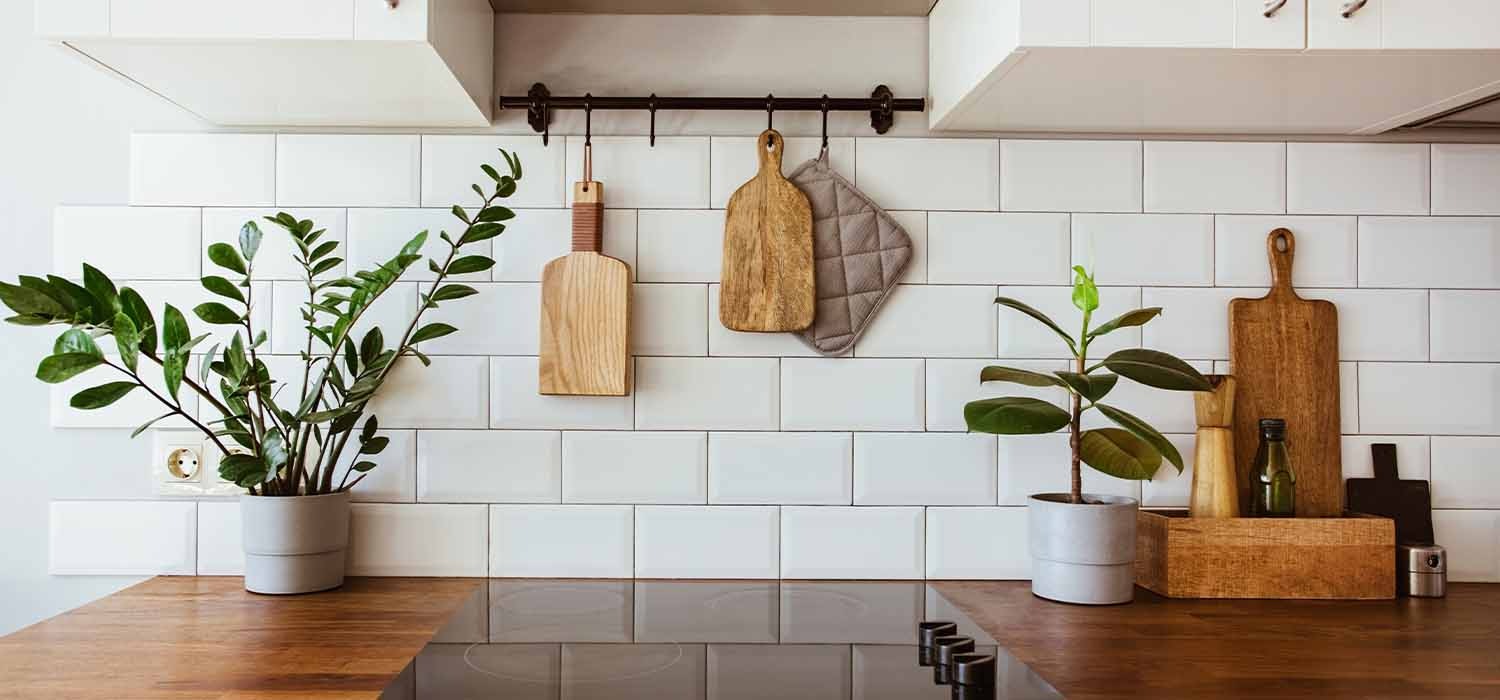
Subway Tiles: Subway tiles have remained a classic choice for kitchens due to their timeless appeal. Available in a variety of finishes, sizes, and colours, they can complement any style, from traditional to modern. Subway tiles are often used for backsplashes but also work well on floors and feature walls.
-
Geometric Patterns: Geometric tiles add personality and dimension to your kitchen design. With their sharp lines and angular patterns, they can be used to create striking feature walls, flooring, or backsplashes. The use of bold colours or contrasting shades can make a statement in your kitchen.
-
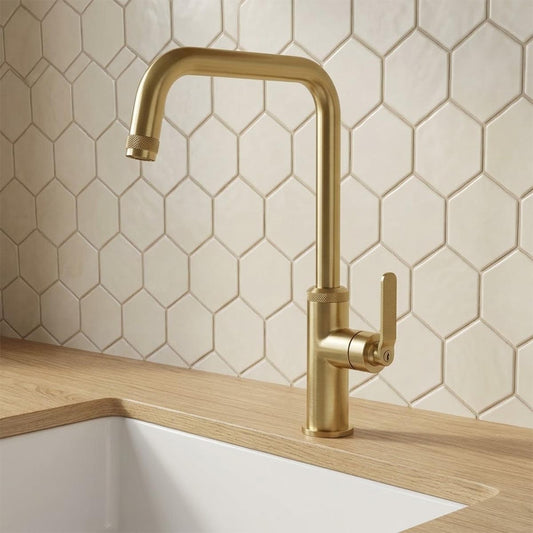
Hexagonal Tiles: Hexagonal tiles are another popular choice for modern kitchens. These tiles add a sense of depth and texture, whether on the floor or as a backsplash. Their unique shape offers a variety of layout options, from honeycomb patterns to tessellated designs.
-
Mosaic Tiles: Mosaics are small tiles that come in various materials, such as glass, stone, or ceramic. They can be arranged in creative patterns to form vibrant backsplashes or focal points. Mosaics add intricate detail and texture, ideal for creating a statement wall.
-
Marble Effect Tiles: Marble effect tiles allow you to achieve the luxurious look of natural marble without the maintenance requirements. These tiles replicate the elegance and veining of real marble, making them a popular choice for floors, backsplashes, and countertops.

4. Tile Placement and Layout Ideas
How you lay your tiles can have a significant impact on the overall look of your kitchen. Here are a few layout ideas to consider:
-
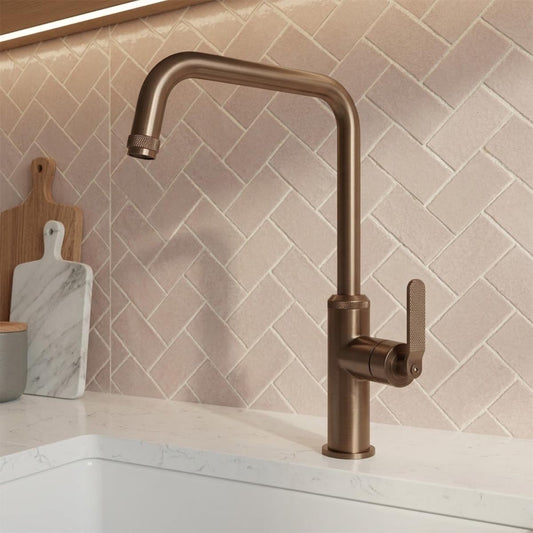
Herringbone Pattern: The herringbone layout is a chic and timeless pattern, particularly popular with subway and ceramic tiles. It creates a sense of movement in your kitchen and adds an element of sophistication.
-
Chevron Pattern: Similar to herringbone, the chevron pattern creates a ‘V’ shape with tiles that point towards each other. This pattern works well on floors and backsplashes and adds a bold visual statement.
-
Brick Bond Pattern: The brick bond pattern is perfect for creating a traditional look. It involves laying tiles in a staggered format, resembling a brick wall. This layout works well with subway tiles and can be used on both walls and floors.
-
Stacked Layout: For a sleek and modern look, a stacked layout places tiles directly on top of each other in straight rows. This is often used with larger tiles and works well for creating a minimalist, contemporary aesthetic.
5. Kitchen Floor Tiles: Durability Meets Style
When choosing tiles for your kitchen floor, it's essential to select a durable material that can withstand heavy foot traffic, spills, and stains. Ceramic, porcelain, and natural stone tiles are the most popular options for kitchen flooring due to their strength and resistance to damage. Textured tiles or matte finishes are ideal for floors as they provide traction and prevent slipping, especially when wet.
Consider large-format tiles for a modern, seamless look. These tiles reduce the number of grout lines, giving your kitchen floor a clean, uniform appearance. Additionally, large tiles can make smaller kitchens appear larger by creating a sense of spaciousness.
6. Creating a Seamless Look: Matching Wall and Floor Tiles
To create a cohesive, harmonious design in your kitchen, consider matching or coordinating your wall and floor tiles. This approach helps maintain continuity, especially in open-plan kitchens. If you're using patterned tiles on the floor, opt for a simple backsplash to prevent the space from feeling too busy. Conversely, if you have a neutral floor, you can add more colour and texture with a patterned or vibrant backsplash.
7. Caring for Your Kitchen Tiles
Proper maintenance is key to keeping your kitchen tiles looking fresh and new for years. Here are some simple care tips:
-
Clean Spills Immediately: Wipe up spills, especially from acidic foods like tomatoes or citrus, to prevent stains on your tiles.
-
Use Mild Cleaners: Avoid harsh chemicals that can damage the tile surface. Stick to mild, pH-neutral cleaners to maintain your tiles' finish.
-
Grout Maintenance: Clean grout lines regularly, and consider applying a grout sealer to prevent stains and keep them looking pristine.

Kitchen Tiles Cost in the UK
The cost of kitchen tiles in the UK can vary significantly based on factors like the type of tile, brand, design, size, and the complexity of the installation. Below is a breakdown of the costs you might encounter when purchasing kitchen tiles, including average price ranges for different types.
1. Cost of Kitchen Tiles (Per Square Meter)
Ceramic Tiles:
-
Price Range: £10 - £40 per m²
-
Overview: Ceramic tiles are one of the most popular and affordable options for kitchen walls and floors. They are easy to clean, durable, and available in a wide range of designs. The cost varies depending on the style and finish.
Porcelain Tiles:
-
Price Range: £20 - £60 per m²
-
Overview: Porcelain tiles are denser and more durable than ceramic tiles. They are ideal for both floors and walls in kitchens due to their resistance to moisture and stains. Porcelain is more expensive than ceramic due to its durability and range of high-end designs.
Natural Stone Tiles (Marble, Granite, Travertine, etc.):
-
Price Range: £30 - £120 per m²
-
Overview: Natural stone tiles offer a luxurious and timeless look for kitchens. Marble, granite, and travertine are popular choices, but they are also the most expensive options. Maintenance costs can be higher too since natural stone tiles require sealing to protect them from stains and moisture.
Mosaic Tiles:
-
Price Range: £20 - £90 per m²
-
Overview: Mosaic tiles, often made of glass, ceramic, or stone, can add an artistic touch to kitchen backsplashes or accent walls. The price varies based on the material, size, and design complexity. These tiles are typically more expensive due to the labor-intensive installation.
Vinyl Tiles:
-
Price Range: £10 - £40 per m²
-
Overview: Vinyl tiles are a more budget-friendly option, ideal for kitchen floors. They are water-resistant, durable, and easy to clean. While not as luxurious as stone or porcelain, vinyl offers a great balance of cost and functionality, especially for lower-budget renovations.
Glass Tiles:
-
Price Range: £40 - £100 per m²
-
Overview: Glass tiles are often used for decorative backsplashes. They reflect light, making the kitchen look brighter and more spacious. However, they are on the higher end of the price spectrum due to the material and the precision required during installation.
2. Cost of Installation (Per Square Meter)
In addition to the cost of the tiles themselves, you will also need to budget for installation. Professional tiling services in the UK generally charge the following rates:
-
Basic Installation: £20 - £30 per m²
-
High-End Installation (e.g., intricate designs, mosaics, or complex layouts): £30 - £50 per m²
For larger kitchens or more complex installations (like herringbone or diagonal patterns), installation costs may increase. Additionally, if your walls or floors need to be prepared (e.g., leveling or priming), it could add to the overall cost.
3. Additional Costs
Grout and Adhesive:
-
Cost: £3 - £10 per m²
Grout and adhesive are necessary for installing tiles. The cost depends on the type of grout (e.g., standard, epoxy, or flexible grout) and adhesive used. Special adhesives or grouts for wet areas like kitchens may cost more.
Tile Trim and Edging:
-
Cost: £5 - £20 per meter
Tile trims or edging are often required to finish the edges of your tiles, especially for areas like the kitchen countertop or around windows. The cost of trims varies depending on the material and finish.
Underfloor Heating (Optional):
-
Cost: £50 - £150 per m²
If you're installing tiles on the floor and would like to add underfloor heating, the cost of the heating system is an additional expense. The price depends on the size of the area and the type of system you choose (e.g., electric or water-based).
4. Budget-Friendly Options
If you're looking for a budget-friendly option for your kitchen, ceramic and vinyl tiles are your best bet. You can find stylish and durable designs in the £10 - £30 per m² range, and with the right installation, these tiles can transform your kitchen without breaking the bank.
5. Premium Options
For a more luxurious feel, consider natural stone or high-end porcelain tiles. While these options can be more expensive (£30 - £120 per m²), they offer durability, elegance, and timeless appeal. Additionally, if you want a custom or designer look, mosaic or glass tiles are great choices but come with a higher price tag.
The overall cost of your kitchen tiles will depend on factors such as the material you choose, the size of your kitchen, and whether you're installing the tiles yourself or hiring a professional. For a basic kitchen tile renovation, expect to spend anywhere from £15 - £50 per m² for the tiles themselves, plus additional costs for installation, adhesive, grout, and any special features like underfloor heating.
If you’re aiming for a higher-end look with natural stone or intricate mosaics, your total costs can rise to £100+ per m² for tiles, not including installation. Always consider your budget and the style you want to achieve when making your final tile selection.
Why Tiles Are Essential in Your Kitchen?
Tiles are a crucial element in kitchen design, providing both practical benefits and aesthetic appeal. Whether you're remodeling or designing a new kitchen, here are the key reasons why tiles are essential for your kitchen space:
1. Durability and Longevity
Kitchens are high-traffic areas that are subject to constant wear and tear. Tiles, particularly ceramic, porcelain, and natural stone, are incredibly durable and can withstand heavy use. They are resistant to scratches, chips, and cracks, ensuring your kitchen surfaces remain intact for years to come. Unlike some other materials, tiles don’t easily wear down over time, making them a long-lasting option for both walls and floors.
2. Easy to Clean and Maintain
The kitchen is a space where spills, stains, grease, and food splashes are common. Tiles, especially glazed ceramic and porcelain, have smooth, non-porous surfaces that are easy to wipe clean. Unlike other materials like wood or wallpaper, tiles do not absorb stains or moisture. A simple wipe down with a damp cloth or mild detergent is usually all that's needed to keep your kitchen looking spotless.
Tip: For areas like backsplashes and countertops, tiles are incredibly resistant to spills from cooking oils, sauces, and liquids, making cleanup a breeze.
3. Hygiene and Health
Because tiles are non-porous, they don’t harbor bacteria, mold, or mildew, making them a more hygienic option compared to other surfaces. In the kitchen, where food is prepared, it’s vital to maintain a clean, sanitary environment. Tiles are easy to disinfect, ensuring a safe cooking space for your family. They are also resistant to moisture, which helps prevent the growth of mold in damp areas.
4. Water and Moisture Resistance
Kitchens are often exposed to high levels of moisture from cooking, washing dishes, and steam. Tiles, particularly ceramic and porcelain, are resistant to water and moisture, making them ideal for areas like backsplashes, countertops, and floors. This resistance to water ensures that tiles won’t warp, swell, or deteriorate over time, unlike some other materials like wood or laminate.
5. Versatility and Aesthetic Appeal
Tiles come in an endless array of colors, patterns, sizes, and finishes, allowing you to create a kitchen design that suits your style. Whether you prefer a modern, minimalist look with sleek subway tiles or a rustic, traditional vibe with terracotta, tiles provide endless design possibilities. With options like mosaic tiles, patterned designs, and even textured finishes, you can customize your kitchen’s look to match your personal taste.
6. Heat Resistance
In the kitchen, heat is a constant factor, especially around cooking areas. Tiles, particularly ceramic, porcelain, and natural stone, are heat-resistant, making them perfect for installation near stoves, ovens, and countertops. They can handle the high temperatures of cooking without getting damaged, unlike some other materials like wood or laminate, which can scorch or warp.
7. Cost-Effective
Tiles can be an affordable option depending on the material you choose. While premium options like natural stone may come with a higher price tag, there are plenty of budget-friendly choices available, such as ceramic or vinyl tiles, that still offer durability and style. Tiles are also a good investment because of their longevity, which means you won’t need to replace them frequently.
Tip: When working within a budget, consider using tiles only in high-traffic areas or incorporating more affordable tiles for the walls and accenting with premium tiles in certain sections, like the backsplash.
8. Customization and Design Flexibility
Tiles allow for a high degree of customization. You can mix and match different sizes, colors, and patterns to create unique designs. For example, you can create an accent wall with vibrant, patterned tiles or use large-format tiles for a sleek, modern floor. Tiles can also be used to create borders or mosaic designs to add personality and visual interest to the space.
9. Enhanced Property Value
High-quality tiles, especially those made from natural stone or designer ceramics, can increase the value of your home. A well-designed, well-maintained kitchen with stylish tiles is a selling point for potential buyers. It gives the kitchen an upscale, polished look that can elevate the overall value of your home, making it a good investment for both functionality and resale.
10. Sustainable and Eco-Friendly Options
Tiles can also be an eco-friendly choice, especially if you choose ones made from sustainable or recycled materials. Many brands now offer eco-friendly tiles made from recycled glass, clay, or natural stone. Additionally, tiles are long-lasting, which reduces the need for frequent replacements, contributing to a more sustainable home.
Tiles are an essential part of kitchen design due to their durability, ease of maintenance, water resistance, and aesthetic versatility. They provide a long-lasting, hygienic surface that can withstand the high demands of the kitchen environment. Whether you’re looking for a practical solution or a design feature that enhances the look and feel of your space, tiles are a reliable and stylish choice for any kitchen.

Choosing the Right Size for Kitchen Tiles
When selecting tiles for your kitchen, the size of the tiles plays an important role in the overall aesthetic, functionality, and feel of the space. The ideal tile size for your kitchen depends on factors like the size of the room, the layout, and the design style you want to achieve. Here’s a detailed look at different tile sizes and their suitability for various kitchen areas:
1. Standard Kitchen Tile Sizes
Small Tiles (e.g., 10x10 cm or 4x4 inches)
-
Ideal for: Backsplashes, accents, and smaller kitchen areas.
-
Overview: Small tiles are commonly used for intricate patterns, mosaics, or as decorative accents in the kitchen. They can create a detailed and textured look. These tiles work well on walls, especially as backsplash tiles, where their small size allows for more design flexibility and a visually interesting effect.
Medium Tiles (e.g., 20x20 cm or 8x8 inches)
-
Ideal for: Kitchen walls and small floors.
-
Overview: Medium-sized tiles are versatile and can be used for both floors and walls. They are a popular choice for backsplashes and feature walls due to their balanced look and ease of installation. For floors, they provide a more classic, structured appearance.
Large Tiles (e.g., 30x30 cm or 12x12 inches)
-
Ideal for: Floors, large wall areas, and modern kitchens.
-
Overview: Large tiles offer a sleek, contemporary feel and can make a space feel larger by minimizing grout lines. These tiles are commonly used on kitchen floors and feature walls. They are excellent for open-plan kitchens, providing a seamless, uniform look.
Extra-Large Tiles (e.g., 60x60 cm, 60x120 cm, 80x80 cm)
-
Ideal for: Spacious kitchens, floors, and modern designs.
-
Overview: Extra-large tiles are perfect for creating an ultra-modern, minimalistic look. They reduce grout lines and give the room a cleaner, more expansive feel. These tiles are particularly effective in large kitchen areas, open-plan layouts, or for creating a smooth transition between the kitchen and adjoining living spaces.
2. Specialty Tile Sizes
Plank Tiles (e.g., 20x90 cm, 30x120 cm)
-
Ideal for: Floors, accent walls, and modern designs.
-
Overview: Plank tiles are elongated tiles that resemble wood planks or large-format tiles. These tiles are a great choice for creating a natural, contemporary look, especially when mimicking wood or other materials like stone. They are used for floors, backsplashes, or accent walls.
Mosaic Tiles (e.g., 5x5 cm, 10x10 cm)
-
Ideal for: Backsplashes, feature walls, and decorative elements.
-
Overview: Mosaic tiles come in small, individual pieces often arranged in sheets. These tiles allow for more intricate, custom patterns and designs. They're typically used for backsplashes, around sinks, or as accents, adding texture and visual interest to the kitchen.
Rectangular Tiles (e.g., 20x30 cm, 30x60 cm)
-
Ideal for: Backsplashes, countertops, or modern kitchen floors.
-
Overview: Rectangular tiles, like the classic subway tile (typically 10x20 cm), are ideal for both modern and traditional kitchen designs. They work well as backsplash tiles, where their linear pattern creates a clean, timeless look. They can also be used for flooring, offering flexibility in layout (stacked, herringbone, or offset patterns).
3. Tile Size Considerations for Different Kitchen Areas
Kitchen Floors
-
Small Kitchens: For smaller kitchen spaces, consider medium (20x20 cm or 30x30 cm) or large tiles (30x30 cm or 60x60 cm). Larger tiles can make a small kitchen feel more open and less cluttered.
-
Large Kitchens: For larger kitchens or open-plan areas, extra-large tiles (60x60 cm or 80x80 cm) are a great choice as they reduce grout lines, creating a clean, expansive look.
Kitchen Walls & Backsplashes
-
Small Areas (e.g., above the sink or stove): Smaller tiles, such as mosaics or subway tiles, are ideal for backsplash areas. They offer design flexibility and can be used to create visually interesting patterns or unique designs.
-
Larger Wall Areas: If you're covering large wall spaces (e.g., entire kitchen walls), opt for large-format tiles (30x60 cm or 60x60 cm) to create a uniform look with fewer grout lines. Rectangular tiles (e.g., subway tiles) are also popular for their sleek and modern appearance.
Kitchen Countertops
-
Small Tiles: Small tiles like mosaics are often used for countertops to create unique, custom designs. They are more decorative but require more grout lines.
-
Large Tiles: Large tiles or plank tiles can create a smoother, more seamless countertop surface, reducing maintenance and grout cleaning.
4. Grout Line Considerations
The size of your tiles will impact the size of the grout lines. Smaller tiles tend to have more grout lines, which can add visual interest but may require more cleaning. Larger tiles, especially those over 30x30 cm, have fewer grout lines, offering a more streamlined appearance that is easier to clean.
5. Tile Layout Patterns
Tile size also influences the layout pattern. Common layouts include:
-
Straight Lay: Tiles are placed in a simple grid pattern, ideal for square or rectangular tiles.
-
Diagonal/Offset: Used with larger rectangular or square tiles to add visual appeal.
-
Herringbone or Chevron: Typically used with smaller rectangular tiles or plank tiles, creating an elegant and sophisticated design.
Choosing the right tile size for your kitchen depends on several factors, including the size of the room, the desired aesthetic, and the specific area (walls, floors, backsplash). Smaller tiles are great for intricate designs and smaller spaces, while larger tiles can make a room feel more spacious and modern. For a well-balanced and cohesive look, consider combining different tile sizes or using accent tiles to highlight specific areas in the kitchen.
When in doubt, always consider the space’s dimensions, your style preferences, and the practical aspects (such as cleaning and maintenance) before making your final tile size decision.
Maintenance of Kitchen Tiles
Proper maintenance of kitchen tiles is essential to ensure they remain in good condition, preserve their appearance, and extend their lifespan. Whether your tiles are ceramic, porcelain, or natural stone, each type requires specific care to maintain its beauty and functionality. Below are some general maintenance tips, as well as specific advice for different tile materials.
1. Regular Cleaning
Daily Cleaning
-
Wipe Spills Immediately: Kitchen tiles are prone to food, grease, and liquid spills. To prevent stains, it’s important to wipe up any messes as soon as they happen.
-
Use a Damp Cloth: For general daily cleaning, a microfiber cloth or mop with warm water is ideal. For tiled surfaces, avoid using too much water, especially for grout lines.
Weekly Cleaning
-
Mild Soap or Tile Cleaner: For a deeper clean, use a mild dish soap mixed with warm water or a pH-balanced tile cleaner. Avoid harsh chemicals that may damage the tiles or grout.
-
Non-abrasive Sponge: Use a soft sponge or microfiber cloth to avoid scratching the surface. For textured or textured floor tiles, a soft-bristled brush can be helpful.
Monthly Cleaning
-
Deep Cleaning Grout: Over time, grout can accumulate dirt and discolor. For a deep clean, use a baking soda paste (baking soda and water) or a commercial grout cleaner. Apply the paste to grout lines, let it sit for 10-15 minutes, and then scrub gently with a brush.
-
Steam Cleaning: A steam mop can help remove dirt and grime build-up on floor tiles without the need for harsh chemicals, especially on smooth tiles.
2. Protecting the Tiles
Use Coasters and Mats
-
Place coasters under cups or mugs and mats under dish racks or small appliances to prevent scratches, stains, and water damage to both tiles and grout.
Use Cutting Boards
-
Avoid cutting food directly on kitchen tiles. Use a cutting board to prevent chips or scratches to the tile surface.
3. Cleaning Different Types of Kitchen Tiles
Ceramic and Porcelain Tiles
-
Cleaning Method: Ceramic and porcelain tiles are easy to maintain with regular sweeping and mopping. You can use a general-purpose cleaner or a specialized tile cleaner to remove any stubborn stains.
-
Grout Care: Ceramic and porcelain tiles often have grout lines that can become stained. Regular cleaning and sealing of grout lines will help prevent staining.
-
Avoid Harsh Abrasives: Don’t use abrasive pads or harsh chemicals that could damage the glossy finish.
Natural Stone Tiles (e.g., Marble, Granite, Travertine)
-
Cleaning Method: Natural stone tiles require more care than ceramic or porcelain. Avoid acidic cleaners (like vinegar) as they can etch and damage the stone. Instead, use a pH-neutral stone cleaner or a mild soap solution.
-
Sealing: Natural stone tiles are porous, so they require periodic sealing to prevent stains and water absorption. Depending on the stone and its use, reseal every 6 to 12 months.
-
Cleaning Grout: Be gentle with grout cleaning, as some acidic solutions can damage natural stone tiles. Always use a mild solution when cleaning grout.
Glass Tiles
-
Cleaning Method: Glass tiles are relatively easy to clean, but they may show fingerprints and water spots. Use a glass cleaner or a solution of water and vinegar to keep them shiny.
-
Grout Care: Ensure that grout around glass tiles is clean and dry, as any moisture left behind can cause mold or mildew to form.
4. Preventing Stains
-
Grout Sealing: Grout is porous and can absorb stains over time. Apply a grout sealer to prevent stains from setting in. Reseal every 6 months to a year.
-
Tile Sealing: If you have porous tiles like natural stone, consider sealing them to prevent water or food stains from seeping into the surface.
-
Wipe Up Spills Immediately: Especially for food and acidic substances like lemon juice, wine, or vinegar, which can stain both the tiles and grout.
5. Handling Stubborn Stains
-
For Grease and Oil: Use a mixture of warm water and a degreaser to remove greasy buildup from tile surfaces.
-
For Hard Water Deposits: If you have hard water stains on your tiles, a vinegar solution (1:1 water and vinegar) can help break down mineral deposits. However, be cautious with natural stone tiles, as vinegar can damage them.
-
For Rust or Mineral Stains: Use a specialized rust remover for tiles or a diluted bleach solution to target rust stains. Be sure to follow the product instructions.
6. Dealing with Tile Cracks and Chips
-
Tile Repair Kits: If your tiles get chipped or cracked, you can use a tile repair kit that includes epoxy or color-matching filler. These kits can be used to fill in small chips and cracks, helping to restore the appearance of the tile.
-
Replace Damaged Tiles: If a tile is significantly damaged, it's best to replace it. Be sure to keep a few spare tiles from the original installation for such repairs.
7. Regular Maintenance for Kitchen Floors
Sweeping and Vacuuming:
Regular sweeping or vacuuming will help prevent dirt and grit from scratching the surface of your floor tiles. Make sure to use a vacuum with a hard-floor setting to avoid damaging the tiles.
Mopping:
Use a mop with a damp microfiber cloth and a tile-friendly floor cleaner. Avoid using excessive water, as too much moisture can seep into grout lines and cause mold or mildew.
Floor Mats and Rugs:
Use floor mats or rugs in high-traffic areas to protect the tiles and reduce wear. This will also help in maintaining the overall cleanliness of the floor by absorbing dirt and moisture.
8. Tips for Longer Tile Life
-
Avoid Dragging Furniture: When moving heavy furniture or appliances, lift them instead of dragging them across the floor to prevent scratches or cracks.
-
Temperature Considerations: Tiles, particularly natural stone, can be sensitive to extreme temperature changes. Avoid placing hot pots or pans directly on tile surfaces to prevent thermal shock, which could lead to cracking.
-
Regular Inspections: Check for any damaged tiles or grout, especially in high-moisture areas like around sinks and dishwashers. Address issues as soon as they arise to prevent further damage.
Regular cleaning and proper care are key to maintaining the appearance and functionality of your kitchen tiles. By following these maintenance tips, you can keep your kitchen tiles looking great for years to come. Whether you have ceramic, porcelain, glass, or natural stone tiles, understanding the specific care they need and acting quickly to address any stains or damage will help prolong their lifespan and keep your kitchen looking fresh.
Conclusion
Choosing the right kitchen tiles is a balance of functionality, style, and personal preference. Whether you're aiming for a classic look with subway tiles or a modern statement with geometric patterns, there are endless possibilities for transforming your kitchen. Keep in mind the durability and maintenance needs of your tiles, as well as the overall aesthetic of your kitchen. With the right tiles, your kitchen can be both stylish and functional for years to come.
Explore a wide range of tile options, and take your time to find the perfect combination that reflects your style while meeting the demands of your kitchen space.
Frequently Asked Questions
Porcelain and ceramic tiles are the best options for kitchen floors due to their durability, moisture resistance, and ease of cleaning. Porcelain tiles are denser and more durable than ceramic tiles, making them ideal for high-traffic areas. For a luxurious look, natural stone tiles like granite or marble are also popular, though they require more maintenance.
The size of the tile should complement the size of your kitchen. Smaller tiles (e.g., 10x10 cm) are great for backsplashes and detailed designs. Medium tiles (e.g., 20x20 cm) are versatile for both floors and walls, while large tiles (e.g., 60x60 cm) create a modern, seamless look, especially in larger kitchens. If your kitchen is small, larger tiles can make the space appear bigger by reducing grout lines.
Yes, you can use the same tiles for both the walls and the floor, but it's important to choose tiles that are suitable for both applications. Floor tiles are usually thicker and more durable than wall tiles, so ensure that the tiles you choose are rated for floor use if you plan to use them on both surfaces. It's a popular choice for modern, cohesive kitchen designs.
Regular cleaning involves wiping up spills immediately and sweeping or vacuuming to remove dirt and debris. Use warm water and a mild detergent or a pH-neutral cleaner for routine cleaning. For grout, use a grout cleaner or a paste made of baking soda and water. Avoid using abrasive scrubbers that could damage the tile surface, and seal grout lines regularly to prevent staining.
Yes, most kitchen tiles, especially ceramic, porcelain, and stone tiles, are water-resistant, making them ideal for areas with high moisture, such as backsplashes and floors near sinks. However, grout lines can absorb moisture, so sealing the grout is essential to prevent water from seeping in and causing damage or mold growth.
Yes, it's possible to install kitchen tiles yourself, especially for smaller projects like backsplashes. However, professional installation is recommended for larger areas or more complex patterns to ensure that the tiles are properly aligned and adhered. If you're a DIY enthusiast, make sure to follow installation guidelines carefully, especially when it comes to grout, adhesive, and tile cutting.
To prevent stains, clean up spills immediately, especially from acidic substances like vinegar, lemon juice, or wine. If your tiles are porous (like natural stone), seal them regularly to protect the surface. For grout, apply a grout sealer to prevent stains and discoloration from penetrating the porous surface.
Porcelain tiles are made from a denser, more durable clay and are less porous than ceramic tiles, making them ideal for kitchen floors. Ceramic tiles are a more affordable option and are suitable for walls and light-traffic areas. Both options are easy to clean, but porcelain tiles tend to be more resistant to scratches, moisture, and wear.
For small cracks or chips, you can use a tile repair kit, which includes a filler that matches the color of the tile. Simply apply the filler to the damaged area and smooth it out. For larger damage, you may need to replace the tile entirely. Make sure to have spare tiles from the original installation for easier repairs.
Choose tile colors that complement your overall kitchen design. Light-colored tiles (such as whites or neutrals) can make a small kitchen feel larger and brighter, while darker tiles (like charcoal or navy) provide a more dramatic look. You can also mix and match tiles with accent colors for a personalized touch. Consider the color of your countertops, cabinets, and appliances when choosing tile colors to ensure a harmonious design.
Yes, there are several eco-friendly tile options available, such as tiles made from recycled materials, bamboo, or cork. Many manufacturers now offer tiles made from recycled glass or clay, which are sustainable and environmentally friendly. Choosing tiles with low-VOC glazes and finishes can also reduce your home's environmental impact..
To seal grout, first clean the grout lines thoroughly and allow them to dry completely. Then, apply a grout sealer using a small brush or applicator, making sure it covers all grout lines evenly. Wipe off any excess sealer before it dries. Sealing grout helps protect it from moisture and stains and should be repeated every 6–12 months depending on wear.
Yes, you can install new tiles over an existing floor, but it's important to ensure the surface is level, clean, and in good condition. If the existing floor has any damage or is not level, it may need to be repaired before laying new tiles. For best results, consider consulting a professional if you're unsure about the surface preparation.
With proper care, kitchen tiles can last 20 years or more. Porcelain and ceramic tiles are known for their longevity, while natural stone tiles may require more maintenance to maintain their appearance. Regular cleaning and sealing of grout lines will help extend the lifespan of your tiles.